Monday, November 17, 2008 - Winchester KY
< previous day | archives | next day >
A fork in the road
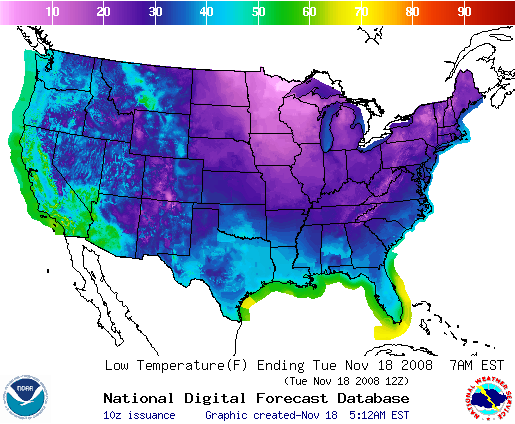
From here in the middle of Kentucky I can head either directly west toward New Mexico or south toward more immediate warm weather.
I'm going to Demopolis
I must admit this cold snap is influencing my decision and I'm leaning toward heading south. It's cold. I'm going to Demopolis. I spent a delightful 3 weeks last December photographing the wildlife at Foscue Creek Park and watching barge traffic on the Tombigbee River.
Night camp
Wal-Mart parking lot in Winchester KY
- Darn. I'm writing this bullet point after the fact and I can't remember whether this Wal-Mart offers good boondocking or not.
The Bottom Line
...if you’re young, dear God, don’t try to live the way your parents did. You don’t need three bedrooms, although a roof is nice. Get the hell outa Dodge and stir things up. Leave! Adapt! Believe in yourself! Have fun! The bottom line is, do I have shelter and enough to eat. Everything else is optional. EVERYTHING! There are no rules!!! Just keep it simple: get that first bit down, no matter how, and you can get creative with the rest.